It was cold that morning—
and colder still in the grave.
That thought struck me as I pulled Mama’s wool stockings over my feet, my hands trembling not from the winter, but from the absence. The house was quiet in a way it had never been before—an unnatural quiet, the kind that announces loss before words do.
“Where did she go?” I asked my sister.
Where is Mama?
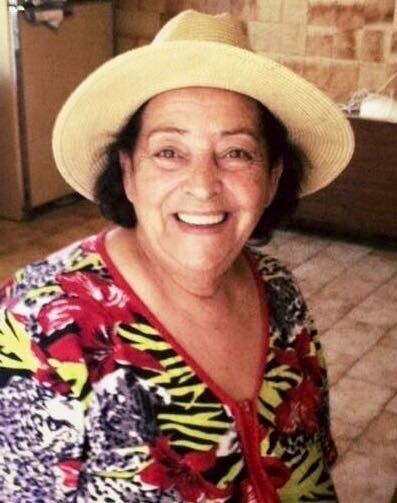
I had returned after twenty years away, convinced that life would gently fall back into routine. I imagined it clearly: after work, once or twice a week, I would drive to her house. We would eat lunch together, talk, laugh—laugh loudly, the way she loved. Then she would rise, always insisting on going to the kitchen, and return with those little IKEA bags filled with food. Tupperware, she demanded I bring back.
“Otherwise,” she would say, half-smiling, half-scolding,
“what would I give you food in next time?”
Mama loved me.
I do not remember a single moment when she was angry at me—not once. After she died, I begged my siblings to tell me the truth. Was she ever angry at me? They said no. Never. I will never know if that is kindness or fact, but I needed to hear it. I needed the reassurance that I never disappointed her, that I never caused her sorrow.
I loved her.
I never saw it coming.
There were hospital rooms, yes—moments when fear sat heavy on my chest, moments when I thought this might be the end. But she always returned. She rose again. She reclaimed the days illness had stolen from her, as if determined to devour life, to drink it down to the bone. She gave me faith—not in medicine, not in time, but in her. She convinced me she would live forever.
My mother died on a morning when I believed she was at her strongest.
She laughed. She joked. That summer, we teased her, proud of her, telling her she would wear leggings and kill it. She laughed and said she was preparing to go to the village for the summer. She said she had to walk—walk faster, walk longer—because my brother Hammad had promised to take her there if she became strong enough.
I was overjoyed by every update.
“I walk without leaning on anything,” she told me.
“I shower alone.”
“I dress myself.”
She made fun of me when I asked who helped her.
Mama was getting ready.
I am not sure she knew what she was getting ready for.
When they laid her before us, wrapped in white, she was impossibly small. Too small. I passed my hand over her body, desperate to feel her, but she was cold—hollowed out, almost fleshless. The body we had praised for its summer shape had been fading all along. What we called strength was the quiet erasure of her.
Now, sometimes, I wake in the middle of the night, alone. I open my eyes wide, straining against the darkness, hoping—foolishly—to see her sitting at the edge of my bed.
Mothers should not die.
They should stay.
They should remain stitched into our lives forever.
Her death tore something animal out of me. I howled. I howled until the world seemed to retreat in shame. Mama, it is cold now. It is silent. The sea has turned black. The winter clouds are white but shapeless, stripped of meaning. Streets overflow with people, yet feel abandoned.
I look for you everywhere.
I dream of you on the terrace, leaning against the iron bars, waiting for us to park and come upstairs. You always waited. Mama knew the smallest things about me—things no one else noticed. She knew I drank tea only in clear glass cups. She knew I wanted black tea after lunch, dark red, almost bitter.
Mama was my everything.
She still is and will always be…
And the world has never been warm since she left.
 Lifelines
Leave a comment